

Sobra & Polače on Mljet: gateway to Mljet National Park adventures
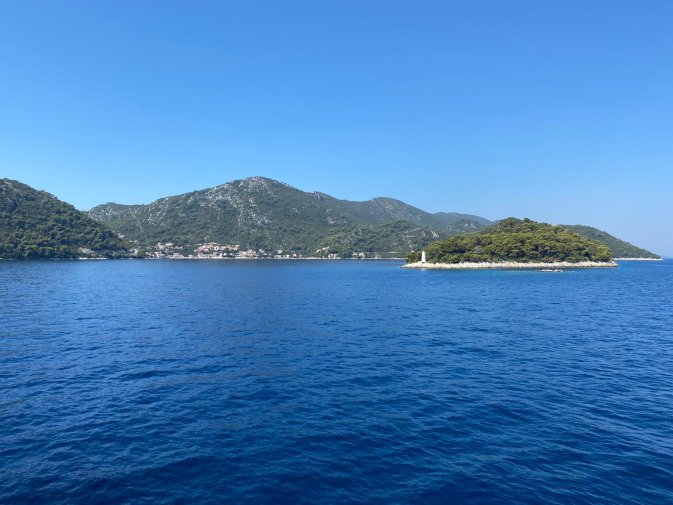
Getting to Mljet from Dubrovnik by fast catamaran
A smooth way to get to Mljet is the state fast passenger catamaran line Dubrovnik – Šipan – Sobra – (Polače) – (Korčula) – (Lastovo), operated by TP Line. This route is designed for travelers who want island time, not logistics time: you depart Dubrovnik and arrive on Mljet without the slow rhythm of multi-stop coastal travel.
Two details matter when planning:
- Sobra is a main stop, and it functions as the island’s transport hub.
- Polače is marked as a conditional stop on the timetable, meaning it may not operate on every departure or during every period—so you should always confirm the specific sailing you want before building your day around it.
TP Line publishes an official sailing schedule and price list in the timetable for Line no. 9807 (including 2026 schedules and notes about seasonal variations and exceptions). Tickets are available online via ticket sales, and boarding guidance recommends arriving at the port at least 15 minutes before departure.
Sobra: the practical base for exploring Mljet
Sobra sits on the northern side of Mljet and feels like an arrival point rather than a destination that demands a checklist. That is its charm. For many travelers, Sobra is the best place to land if you want flexibility: it’s a convenient gateway for reaching different parts of the island, arranging local transport, and choosing whether your day leans more toward beaches, viewpoints, or the national park interior.
From a trip-planning perspective, Sobra works well when you want to:
- keep accommodation options open across the island
- start early and move inland toward the park’s lakes
- return to Dubrovnik on the same day with predictable port access
Because it is a working port, Sobra is also useful when timing matters—especially for a day trip where you want to control how long you spend walking, cycling, swimming, or taking a park boat.
Polače: closest access to the lakes and the park’s signature scenery
Polače is the Mljet stop that nature-focused travelers talk about first, and for good reason: it sits near the heart of Mljet National Park, making it a natural “drop-off” for a day built around the lakes.
Once you arrive, the park experience tends to unfold in layers rather than in one single attraction. Paths and quiet roads lead you toward the famous saltwater lakes—Veliko Jezero (Big Lake) and Malo Jezero (Small Lake). Even if you have seen photos, the first impression is different in person: calm water, dense greenery, and a feeling that the coastline has softened into an inland sea.
Veliko Jezero and Malo Jezero: saltwater lakes worth slowing down for
The two lakes are the park’s defining landscape and the reason many travelers prioritize Mljet over other Adriatic islands. They are often described simply as “lakes,” but they are saltwater lake systems connected to the sea, which creates a unique swimming and paddling experience.
- Veliko Jezero offers the widest sense of space, with long scenic edges that reward walking and cycling.
- Malo Jezero feels more intimate—ideal when you want a quieter loop, a slower swim, or a shaded break.
If you’re choosing how to structure your time, Polače makes it easier to devote more of the day to the lakes themselves instead of spending it on extra transfers.
St. Mary and the Benedictine monastery: a cultural pause inside the park
In the middle of Veliko Jezero sits the small islet of St. Mary, home to a historic Benedictine monastery. It’s the park’s most recognizable cultural landmark, and it fits naturally into an outdoor day: a short ride on a local boat, a walk around the islet, then back to the lake paths and swimming spots.
This is the kind of highlight that works even for travelers who claim they “just want nature,” because it doesn’t interrupt the mood—it complements it.
Beach time vs. lake time: choosing the right Mljet rhythm
Mljet invites two different styles of relaxation:
- Beach seekers often look for coastal swims, coves, and sunset-facing spots.
- Park explorers come for lake loops, shady trails, and gentle cycling with frequent stops.
Sobra makes it easy to pivot toward coastal plans, while Polače naturally pulls your itinerary into the national park core. If you have limited time, deciding between these two rhythms is more useful than trying to do everything in one rush.
A realistic day trip outline from Dubrovnik
A well-paced day trip works best when it has a single focus: Mljet National Park with its lakes, plus one cultural stop.
A practical flow looks like this:
- Depart Dubrovnik by fast catamaran.
- Arrive on Mljet via Sobra or Polače (depending on the sailing).
- Spend the main block of time around Veliko Jezero and Malo Jezero.
- Add a short visit to St. Mary if conditions and time align.
- Return to the port with buffer time before departure (check local boarding places details and the current timetable in advance).
The key is leaving space for the thing Mljet does best: unhurried immersion—walking, swimming, and letting the landscape set the pace instead of the clock.