

Why Dubrovnik, Split and Zadar are key hubs for island transport
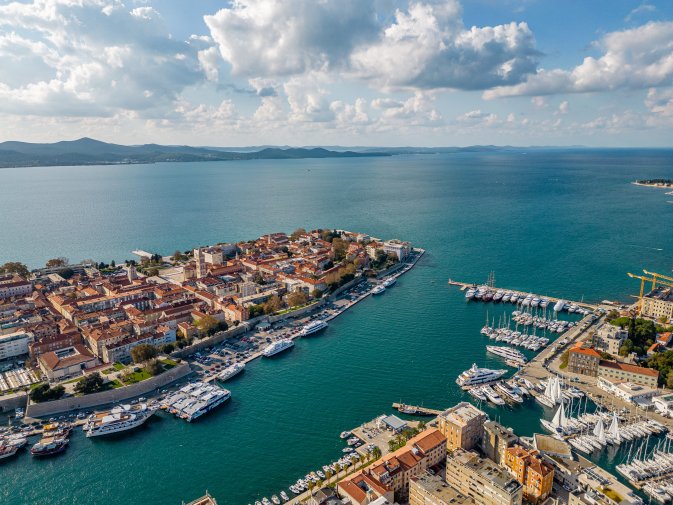
Dubrovnik, Split and Zadar are three of the most important coastal cities for island transport in Croatia. Each city connects mainland travellers with a different part of the Adriatic, making it easier to reach islands, historic towns, beaches and quieter coastal communities without relying entirely on a car.
For visitors arriving from Zagreb, Rijeka or international airports, these hubs create a practical link between road, bus, airport and sea transport. A well-planned ferry or catamaran route can turn a longer island journey into a straightforward part of a holiday.
Dubrovnik: the southern gateway to the islands
Dubrovnik is widely known for its UNESCO-listed Old Town, city walls and dramatic coastline, but it is also a vital transport point for southern Dalmatia. Its port area serves passengers travelling towards nearby islands and destinations further along the coast.
The city is particularly important for travellers heading to Mljet and Šipan, as well as Korčula and Lastovo. These islands offer different experiences: Mljet is valued for its national park and peaceful landscapes, Šipan attracts visitors looking for a slower island atmosphere, while Korčula combines historic architecture with beaches, vineyards and active holiday options.
For many passengers, a fast catamaran is the most convenient way to leave Dubrovnik. It avoids the need to drive around the mainland or organise complicated transfers between separate coastal towns. This is especially useful for people travelling without a car, couples on a short break and international visitors who arrive at Dubrovnik Airport.
Dubrovnik also works well as part of a one-way Croatia itinerary. A traveller may begin in Dubrovnik, visit an island such as Korčula or Mljet, and then continue north by ferry, catamaran, bus or private transfer. That flexibility makes the city more than a destination; it is a central point in the wider Adriatic transport network.
Split: Croatia’s busiest island transport centre
Split is often the first city people associate with a ferry to the islands. Located in central Dalmatia, it has strong connections to popular places including Hvar, Brač and Korčula. Its position makes it a natural hub for travellers moving between mainland Croatia and the central Adriatic islands.
The city is easy to reach by road, bus, train and air. Split Airport is close enough to make sea travel a practical next step for visitors arriving from other European cities. During the travel season, many passengers use Split as the starting point for an island-hopping route, often combining urban sightseeing with several days on the coast.
Split is also important because it supports different types of travel. A car ferry is useful for families, campers and travellers who need their own vehicle on the island. A passenger catamaran, on the other hand, is often a faster option for those carrying light luggage and travelling directly to a town centre.
This distinction matters when choosing a ticket. A passenger-only service is designed for foot travellers, while a car ferry has space for vehicles and usually operates from a different part of the port. Checking the departure point, boarding time and luggage rules before the travel day helps avoid unnecessary delays.
Hvar and Brač from Split
Hvar remains one of the best-known islands in Croatia, with lively waterfront towns, restaurants, beaches and cultural landmarks. Brač is equally accessible from Split and offers a different pace, from traditional stone villages to well-known coastal resorts.
Because Split offers several routes and departure options, travellers can build a flexible itinerary. They may stay in Split for a day, continue to Hvar, return via Brač, or combine island travel with destinations further south.
Zadar: a strategic link to northern Dalmatia
Zadar plays a different but equally valuable role in island transport. It is the key mainland hub for northern Dalmatia and provides access to islands including Dugi Otok, Ugljan, Pašman, Silba, Olib and Molat.
Unlike the larger resort-focused islands near Split, many islands around Zadar are known for smaller settlements, unspoilt coves and a more relaxed rhythm. They appeal to travellers looking for nature, cycling, swimming and a quieter side of the Croatian coast.
Zadar’s port is closely connected to the city centre, which makes it convenient for passengers arriving by bus or staying in the old town. It is also a useful base for exploring Dugi Otok, an island associated with dramatic cliffs, clear water and the Telašćica Nature Park area.
A ferry service from Zadar may be the right option for travellers taking a car, while catamaran connections are ideal for passengers who want a quicker crossing. The choice depends on the island, the route, the season and whether a vehicle is necessary after arrival.

Choosing the right transport hub
The best departure city depends on where the journey begins and which island is the priority:
- Dubrovnik is ideal for southern islands such as Mljet, Šipan, Korčula and Lastovo.
- Split is the most versatile option for central Dalmatia, including Hvar and Brač.
- Zadar is the natural starting point for Dugi Otok and the islands of northern Dalmatia.
Each hub brings together city transport and sea connections, making travel between Croatia’s coastal cities and islands more seamless. With our regular catamaran services and easy-to-follow route information, we make it simpler for passengers to reach islands that might otherwise take considerably more time and planning to access. Our online timetable provides up-to-date sailing information, helping passengers choose the right connection and plan their journey with ease.